
Breast implants can provide long-lasting results, but they are not designed to last forever. Many patients assume implants must be replaced every ten years, while others believe they can last indefinitely. The truth lies somewhere in between. The lifespan of breast implants varies widely depending on the type of implant, changes in your body, and whether any complications develop over time.
If you have breast implants or are considering breast augmentation, understanding when and why implants may need to be exchanged can help you make informed decisions about your long-term care. While many women enjoy their implants for many years without problems, there are situations where replacing or removing them may be recommended.
What You Should Know About Breast Implant Exchange
- Breast implants are not lifetime devices, but many last 10–20 years or longer without complications.
- Implants do not automatically need replacement at 10 years unless a problem develops or you want a change.
- Common reasons for implant exchange include rupture, capsular contracture, implant displacement, or aesthetic preferences.
- Some symptoms that may signal an issue include breast firmness, asymmetry, pain, or noticeable changes in shape.
- Regular checkups help ensure implants remain intact, properly positioned, and safe over time.
Understanding the Lifespan of Breast Implants
Breast implants are medical devices designed to be durable, but they are not considered lifetime devices. Most modern silicone and saline implants are approved for long-term use and often remain intact for many years without complications.
In many cases, breast implants last between 10 and 20 years, although some patients keep their implants longer without issues. Advances in implant technology have improved durability and safety, which means implants today tend to perform better than earlier generations.
Several factors can influence how long implants last, including:
- The type of implant (saline or silicone)
- Your body’s natural healing response
- Lifestyle changes, such as pregnancy or weight fluctuations
- Natural aging of breast tissue
- Surgical technique and implant placement
Even though implants may last many years, regular monitoring is important to ensure they remain in good condition.
Do Breast Implants Need to Be Replaced Every 10 Years?
One of the most common myths about breast implants is that they must automatically be replaced every ten years. While ten years is often mentioned as a general guideline, it does not mean that every patient will need surgery at that time.
In reality, implants only need to be replaced if a problem develops or if a patient decides to change the size or appearance of their breasts. Many women continue to have healthy implants well beyond the ten-year mark without experiencing complications.
Plastic surgeons often recommend routine checkups and imaging when appropriate to monitor implant integrity. Regular follow-up visits allow your surgeon to evaluate the implants and ensure they remain intact and properly positioned.
The most important takeaway is that breast implants do not have an exact expiration date. Instead, they should be monitored over time and addressed if concerns arise.
How Long Do Breast Implants Actually Last?
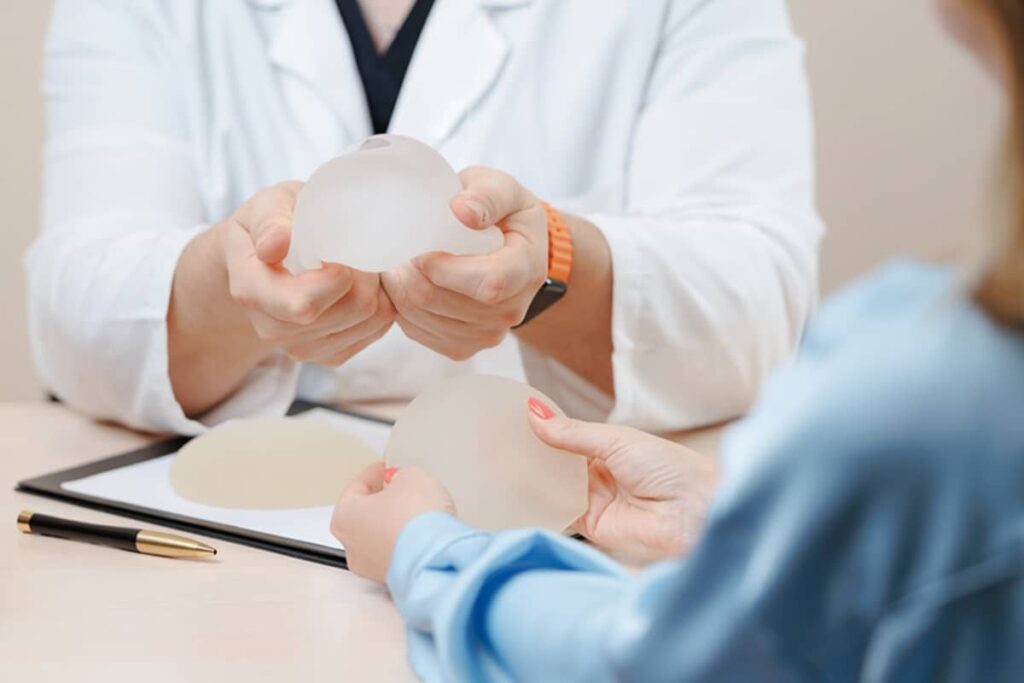
Although there is no fixed timeline for implant replacement, studies and clinical experience show that many implants function well for 10 to 20 years or longer. Some patients may need replacement sooner due to complications, while others may never need another surgery.
Implants are designed to withstand everyday movement and pressure, but over time, the materials may weaken, or your breast tissue may change. Aging, hormonal changes, and lifestyle factors can all affect the appearance and position of implants.
Because of these variables, the timeline for implant exchange varies from patient to patient. Some women choose to replace implants after a decade to refresh their results, while others keep them until a specific concern arises.
Signs It May Be Time to Exchange Your Breast Implants
In some situations, breast implant exchange may be recommended to address medical concerns or aesthetic changes. If you notice any unusual symptoms or changes in your breasts, it may be time to schedule an evaluation with your surgeon.
Common signs that implants may need to be replaced include:
- A deflated or collapsed implant
- Asymmetry between the breasts
- Firmness or hardening of the implant
- Breast tenderness or discomfort
- Implants sitting too high or too low on the chest
- An abnormal breast shape
- Pain or loss of sensation
These symptoms can sometimes be caused by conditions such as capsular contracture, which occurs when scar tissue around the implant tightens and changes the shape or feel of the breast.
Implant displacement is another possible issue. In this situation, the implant may shift from its original position, causing visible asymmetry or an unnatural appearance.
In other cases, patients simply decide they would like a different size or shape as their preferences or lifestyle evolve.

TRUSTED, EXPERT CARE FOCUSED ON PRECISION AND CONFIDENCE
Dr. Allison provides patients throughout NJ and PA with expert care designed to deliver refined, natural-looking results.
What Happens If a Breast Implant Ruptures?
Implant rupture is one of the most well-known reasons patients may require breast implant exchange. A rupture occurs when the outer shell of the implant develops a tear or hole.
The symptoms of rupture depend on the type of implant:
Saline implants
These implants typically deflate quickly when they rupture because the sterile saltwater inside the implant leaks out and is safely absorbed by the body. When this happens, the breast may appear noticeably smaller or deflated.
Silicone implants
On the other hand, these implants may rupture without obvious changes in appearance. This is sometimes called a “silent rupture.” The silicone gel inside modern implants is designed to remain cohesive, which means it often stays within the implant shell or surrounding scar tissue.
If a rupture is suspected, your plastic surgeon may recommend imaging tests such as an ultrasound or MRI to evaluate the implant. In most cases, ruptured implants are removed and replaced with new ones.
Breast Implant Illness: Symptoms and Considerations
Some patients report a collection of systemic symptoms often referred to as breast implant illness (BII). Although the term is widely used, the exact cause and frequency of breast implant illness are still being studied.
Patients who suspect breast implant illness may experience symptoms that affect different parts of the body, including:
- Brain fog or difficulty concentrating
- Chronic fatigue
- Shortness of breath
- Difficulty concentrating
- Muscle aches or joint pain
- Headaches
- Skin irritation or rashes
- Hair loss or thinning hair
- Anxiety
Because these symptoms can have many possible causes, it is important to discuss concerns with a qualified physician. In some situations, patients may choose to have their implants removed or exchanged as part of their treatment plan.
Can You Change the Size or Type of Implant During Replacement?
One advantage of breast implant exchange is that it gives patients the opportunity to update their results. Over time, personal preferences and lifestyle goals may change. During implant exchange surgery, many patients decide to modify their implants in one or more ways.
Options during implant replacement may include:
- Choosing a larger or smaller implant
- Switching between saline and silicone implants
- Adjusting implant shape or projection
- Repositioning the implant for improved contour
Breasts naturally change over time, whether implants are present or not. Factors such as aging, pregnancy, and weight fluctuations can affect the skin and breast tissue.
Because of this, some patients choose to combine implant exchange with a breast lift to restore a more youthful shape and position.
What Happens During Breast Implant Exchange Surgery?
Breast implant exchange surgery involves removing the existing implants and replacing them with new ones. The procedure is typically performed under general anesthesia.
In many cases, the surgeon can use the same incision from the original breast augmentation. This helps minimize additional scarring.
The procedure may include several steps:
- Removal of the existing implants
- Evaluation of the implant pocket and surrounding tissue
- Adjustment of the implant pocket if needed
- Removal of scar tissue in cases of capsular contracture
- Placement of the new implants
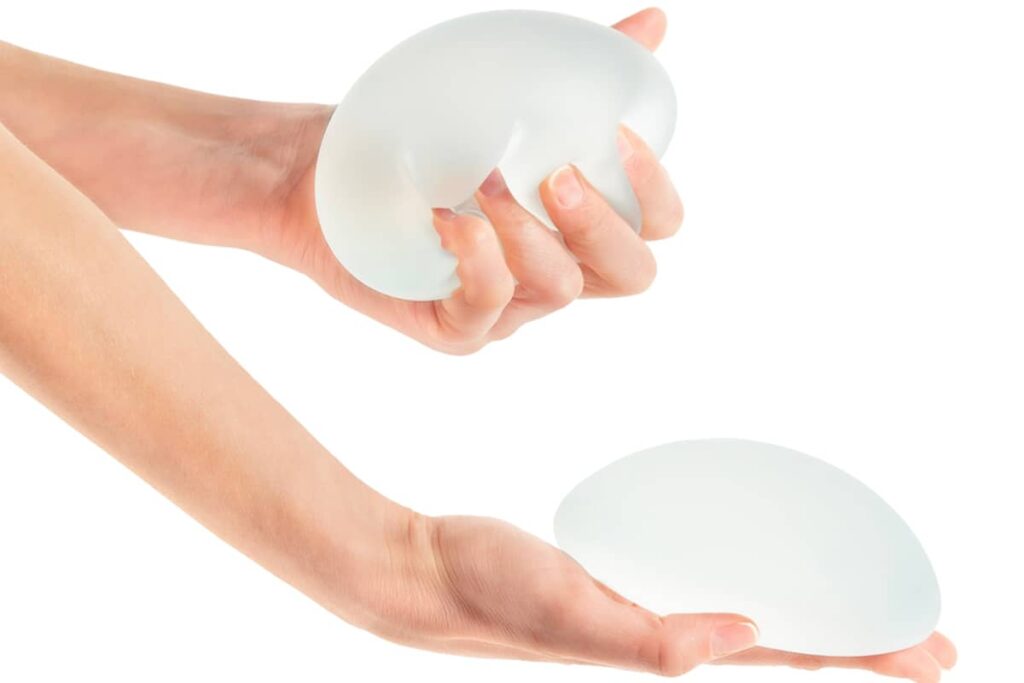
Depending on the complexity of the procedure, surgery usually takes 1 to 3 hours. Most patients can return home the same day. Your surgeon will provide detailed instructions before and after surgery to ensure the safest possible experience.
Recovery Process After Breast Implant Exchange
Recovery from breast implant exchange is often similar to, or slightly easier than, recovery from the original augmentation surgery. Because the implant pocket already exists, the body may require less adjustment.
Patients can typically expect:
- Mild swelling and soreness for the first few days
- Limited physical activity during the first week
- A gradual return to normal daily activities
Most people are able to return to work within about 1 week, depending on the nature of their job. Strenuous exercise, heavy lifting, and upper-body workouts are usually restricted for several weeks while the body heals.
Swelling will gradually improve over time, and final results typically become more noticeable as the implants settle into their new position. Your plastic surgeon will schedule follow-up appointments to monitor healing and ensure everything is progressing as expected.
When Should You Schedule a Consultation for Breast Implant Exchange?
Regular follow-up care is an important part of maintaining breast implants. Even if you are not experiencing any problems, it is a good idea to check in with your plastic surgeon periodically.
You may want to schedule a consultation if:
- Your implants are more than 10–15 years old
- You notice changes in breast shape or symmetry
- You experience pain, firmness, or discomfort
- You are considering a different implant size
- You are concerned about a possible rupture
Routine checkups allow your surgeon to evaluate the implants and help ensure they remain intact and healthy. Many surgeons recommend annual visits so any potential issues can be identified early.
About Dr. David W. Allison
Dr. David W. Allison is a board-certified plastic surgeon with more than 21 years of experience performing breast augmentation surgery and other cosmetic procedures. He provides individualized care focused on patient safety, education, and long-term outcomes.
During consultation, Dr. Allison evaluates each patient’s goals, anatomy, and health history to develop a personalized surgical plan. His approach emphasizes clear communication and detailed post-operative guidance to support a safe recovery process.
Schedule a Breast Augmentation Consultation with Dr. David Allison
If your implants are approaching the 10-year mark, you’ve noticed changes in shape or firmness, or you simply want reassurance about their condition, scheduling a professional evaluation can provide clarity and peace of mind.
Dr. David Allison, a board-certified plastic surgeon serving patients throughout New Jersey and Philadelphia, offers thorough breast implant evaluations designed to assess implant integrity and discuss your options moving forward.
Frequently Asked Questions About Breast Implant Exchange