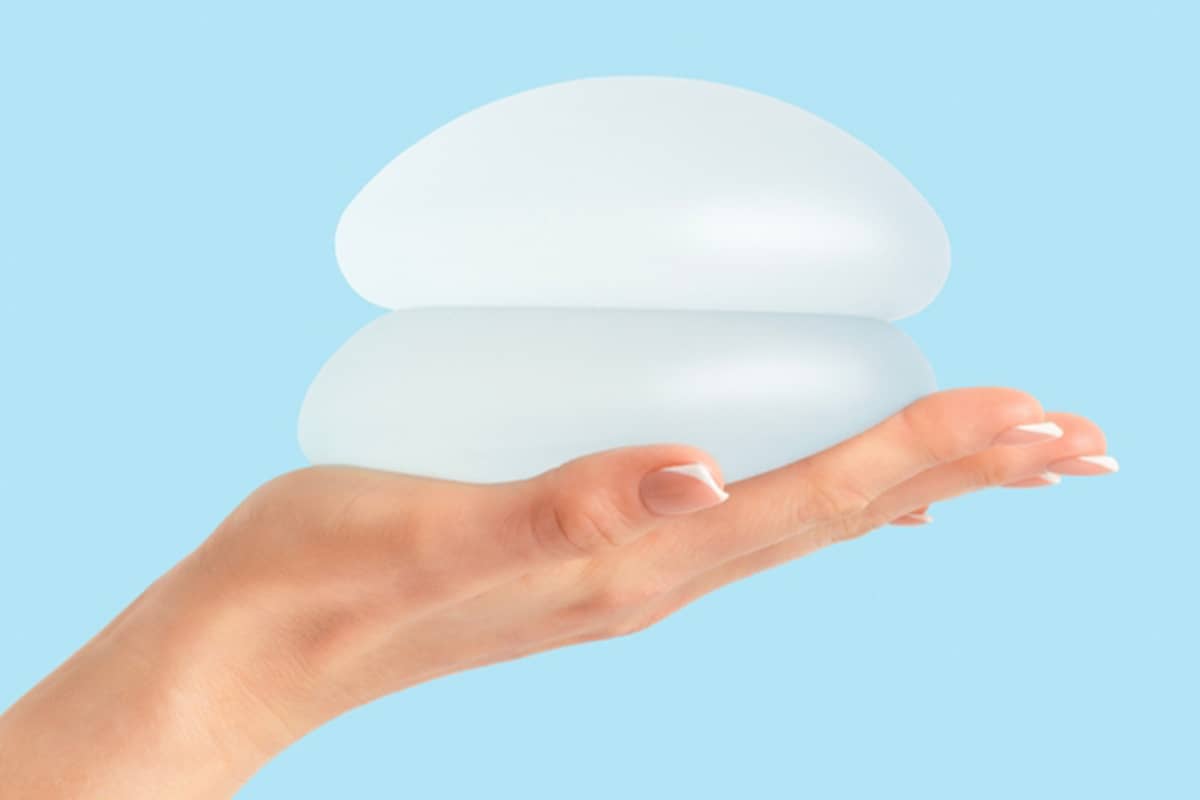
If you’re considering breast augmentation, or you’ve had implants for years, one question almost always comes up: How long are they really supposed to last? You may have heard about a “10-year rule,” but the truth is more nuanced than that.
Breast implants are durable, long-lasting medical devices — but they are not lifetime devices. Understanding what affects their longevity can help you plan, protect your results, and know when it’s time to schedule an evaluation with a board-certified plastic surgeon like Dr. David Allison, who serves patients in New Jersey and Philadelphia.
How Long Can You Expect Breast Implants to Last?
- Most breast implants last between 10 and 15 years. Many patients enjoy excellent results well beyond a decade without needing replacement.
- Some implants remain intact for 20 years or longer. Longevity depends heavily on your body, lifestyle, and whether complications develop.
- Breast implants are not lifetime devices. At some point, most patients will require replacement or revision surgery.
- There is no automatic 10-year replacement rule. Surgery is only necessary if a problem arises or you desire a change.
- Ongoing monitoring matters more than the calendar. Regular evaluations help ensure your implants remain safe and looking their best.
Do Breast Implants Really Need to Be Replaced Every 10 Years?
This is one of the most common myths in plastic surgery.
There is no mandatory 10-year replacement rule. The confusion often comes from manufacturer data showing that implant rupture rates increase gradually over time. However, that does not mean every patient needs surgery at the 10-year mark.
According to the U.S. Food and Drug Administration (FDA), breast implants are not considered lifetime devices, and the likelihood of complications increases over time — but there is no set expiration date. Long-term data reviewed by the American Society of Plastic Surgeons (ASPS) shows that rupture risk rises gradually, estimated at approximately 1% per year after implantation.
Many women keep their implants much longer without issues. Others may need replacement earlier due to complications, aesthetic changes, or personal preference.
If your implants are over 8–10 years old and you haven’t had them evaluated recently, it’s wise to schedule a consultation. A proactive assessment can provide reassurance or catch small concerns before they become bigger problems.
Average Lifespan of Saline vs. Silicone Implants
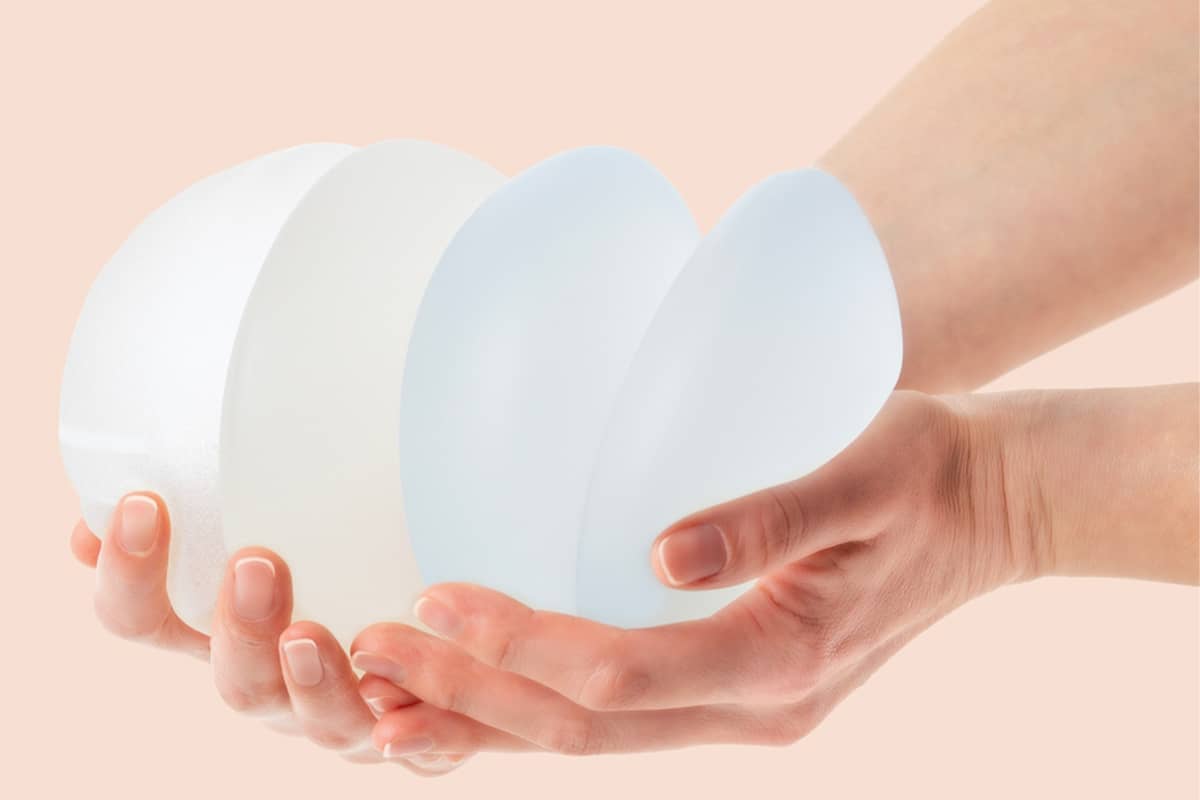
Both saline and silicone implants are designed for long-term durability, but they behave differently over time.
Saline Implants
- Filled with sterile saltwater
- Rupture is typically noticeable because the breast deflates
- The body safely absorbs the saline solution
- Often replaced once deflation occurs
Silicone Implants
- Filled with silicone gel
- Tend to feel more natural
- Rupture may be “silent,” meaning you may not notice visible changes
- Require imaging to confirm integrity
Highly cohesive silicone implants (sometimes called “gummy bear” implants) are designed to hold their shape even if the shell is compromised. While this improves structural stability, they are still not permanent devices.
The bottom line: both implant types can last many years, but ongoing monitoring is essential.
What Causes Breast Implants to Fail or Need Replacement?
Breast implants don’t typically “fail” overnight. Instead, gradual changes occur over time.
Capsular Contracture
Capsular contracture occurs when scar tissue around the implant tightens excessively. This can cause:
- Firmness
- Distortion
- Discomfort or pain
Mild cases may only affect appearance. Severe cases often require surgical correction. Long-term clinical studies of silicone breast implants have reported capsular contracture rates ranging from approximately 10% to 20% at the 10-year mark, depending on implant type and surgical technique.
Aging and Skin Elasticity
As we age, skin naturally loses elasticity. Even if your implants remain intact, surrounding breast tissue can thin and stretch, affecting how the implants look and feel.
Pregnancy and Weight Changes
Pregnancy, breastfeeding, and significant weight fluctuations can alter breast volume and skin quality. These changes may shift implant position or impact appearance.
Implant Rupture
All implants carry a small risk of rupture over time. Long-term manufacturer studies reviewed by the FDA indicate that rupture risk increases gradually over time, with some data suggesting an approximate 1% increase in rupture risk per year after implantation.
Rippling or Visibility
When breast tissue thins, especially in patients with low body fat, implant edges may become visible or palpable. If you notice changes in how your breasts look or feel, it’s important not to ignore them.

TRUSTED, EXPERT CARE FOCUSED ON PRECISION AND CONFIDENCE
Dr. Allison provides patients throughout NJ and PA with expert care designed to deliver refined, natural-looking results.
Warning Signs It May Be Time to Replace Your Breast Implants
Sometimes, your body gives clear signals. You should schedule an evaluation if you experience:
- Increased firmness or tightness
- Pain or tenderness
- Visible distortion or asymmetry
- Sudden change in breast size
- Rippling that wasn’t present before
- Implant sitting higher than usual
- Changes in contour or shape
Keep in mind: silicone ruptures can be silent. You may feel perfectly fine and still have an issue that requires attention.
If your implants are more than 10 years old and you’ve noticed subtle changes, it’s best to have them assessed sooner rather than later.
What Happens If a Breast Implant Ruptures?
Rupture doesn’t always mean an emergency — but it does require evaluation.
- With saline implants, the breast typically deflates noticeably over several days. The saline is harmlessly absorbed by the body, but the implant must be surgically replaced.
- With silicone implants, rupture may not cause obvious symptoms. The gel often remains within the capsule, which is why it’s called a “silent rupture.” Imaging studies can detect this.
While ruptures are not usually dangerous, delaying treatment can increase inflammation or complicate future surgery. Early evaluation allows for a more straightforward solution.
Are Breast Implants Safe to Keep Long-Term?
For most healthy patients, breast implants are considered safe when properly monitored. Complication rates are relatively low, especially when surgery is performed by a board-certified plastic surgeon.
Long-term safety depends on:
- Regular follow-up
- Monitoring for changes
- Addressing complications early
- Choosing high-quality implants
The goal is not fear, it’s awareness. Responsible monitoring is what protects your results and your health.
Can You Keep Breast Implants Forever?
In short, no. Even if your implants remain intact for 20 years, natural aging will likely alter your breast tissue over time. Many women eventually choose revision surgery for aesthetic reasons alone.
Others may never need replacement due to rupture, but may decide to adjust size or update implant type.
Breast implants are long-lasting, but not permanent. Planning for that reality is part of maintaining beautiful, natural-looking results.
Is Breast Implant Replacement More Complicated Than the First Surgery?
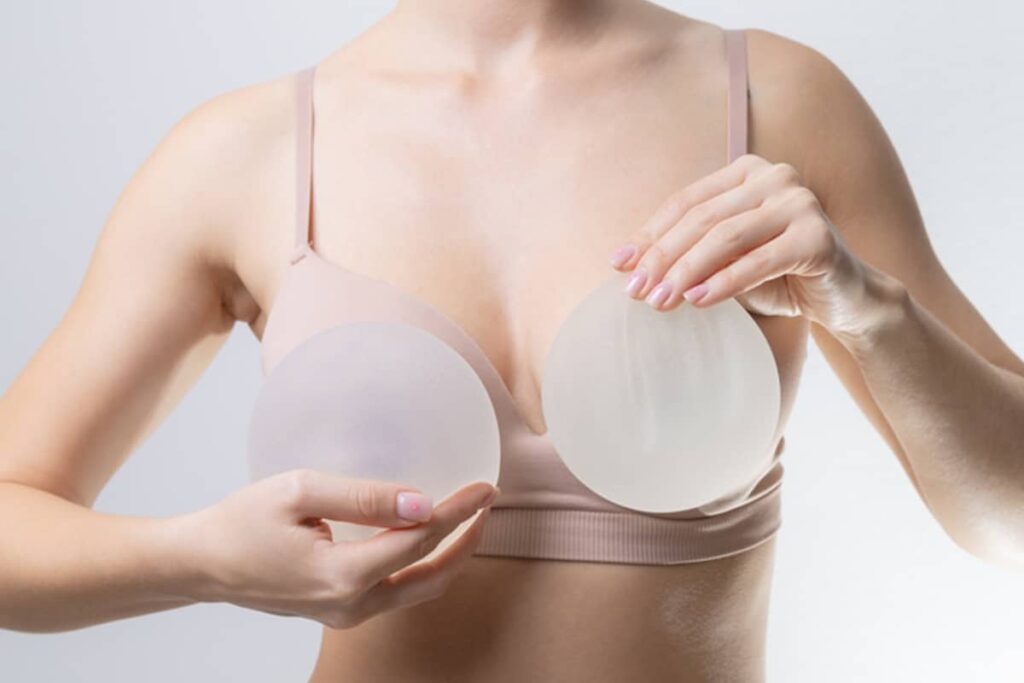
Some replacement procedures are straightforward, especially if there are no complications. In other cases — such as severe capsular contracture — additional steps may be required.
The good news is that implant replacement often allows patients to:
- Refine their results
- Adjust size
- Improve symmetry
- Upgrade implant type
With an experienced surgeon like Dr. David Allison, who performs breast procedures for patients in New Jersey and Philadelphia, revision surgery can be carefully planned to achieve natural, balanced results.
How Often Should Breast Implants Be Checked?
Regular monitoring is essential for long-term safety. Most patients should:
- Perform routine self-examinations
- Schedule annual clinical breast exams
- Undergo recommended imaging as advised by their surgeon
If you have silicone implants, the FDA currently recommends MRI or high-resolution ultrasound screening beginning 5–6 years after placement and every 2–3 years thereafter to monitor for silent rupture. Because silicone ruptures may not cause noticeable symptoms, imaging plays an important role in long-term safety.
Staying consistent with follow-up appointments helps detect concerns early and reduces the likelihood of more complex surgery later.
About Dr. David W. Allison
Dr. David W. Allison is a board-certified plastic surgeon providing cosmetic and reconstructive surgery of the breast and body. With more than 21 years of surgical experience, he offers breast augmentation procedures tailored to each patient’s anatomy, goals, and long-term health considerations.
He emphasizes careful surgical planning, patient education, and individualized treatment strategies designed to support both aesthetic results and functional outcomes. Patients receive comprehensive guidance throughout the consultation process to help them make informed decisions about breast surgery.
Breast Implant Evaluation and Replacement in New Jersey and Philadelphia
Whether you’re considering breast augmentation for the first time or wondering if it’s time to evaluate older implants, personalized assessment is essential. Breast implants are designed to last many years, but ongoing monitoring helps ensure they remain safe, comfortable, and aligned with your aesthetic goals.
Dr. David Allison, a board-certified plastic surgeon serving patients throughout New Jersey and Philadelphia, provides comprehensive breast implant evaluations and revision procedures tailored to each individual. Every consultation includes:
- A detailed physical examination
- Review of implant history and surgical background
- Assessment of implant integrity and positioning
- Discussion of aesthetic concerns or changes over time
- Honest, safety-focused recommendations based on long-term outcomes
If your implants are approaching 10 years of age, you’ve noticed changes in shape or firmness, or you simply want reassurance, scheduling a professional evaluation can provide clarity and peace of mind.
Frequently Asked Questions About Breast Implant Longevity