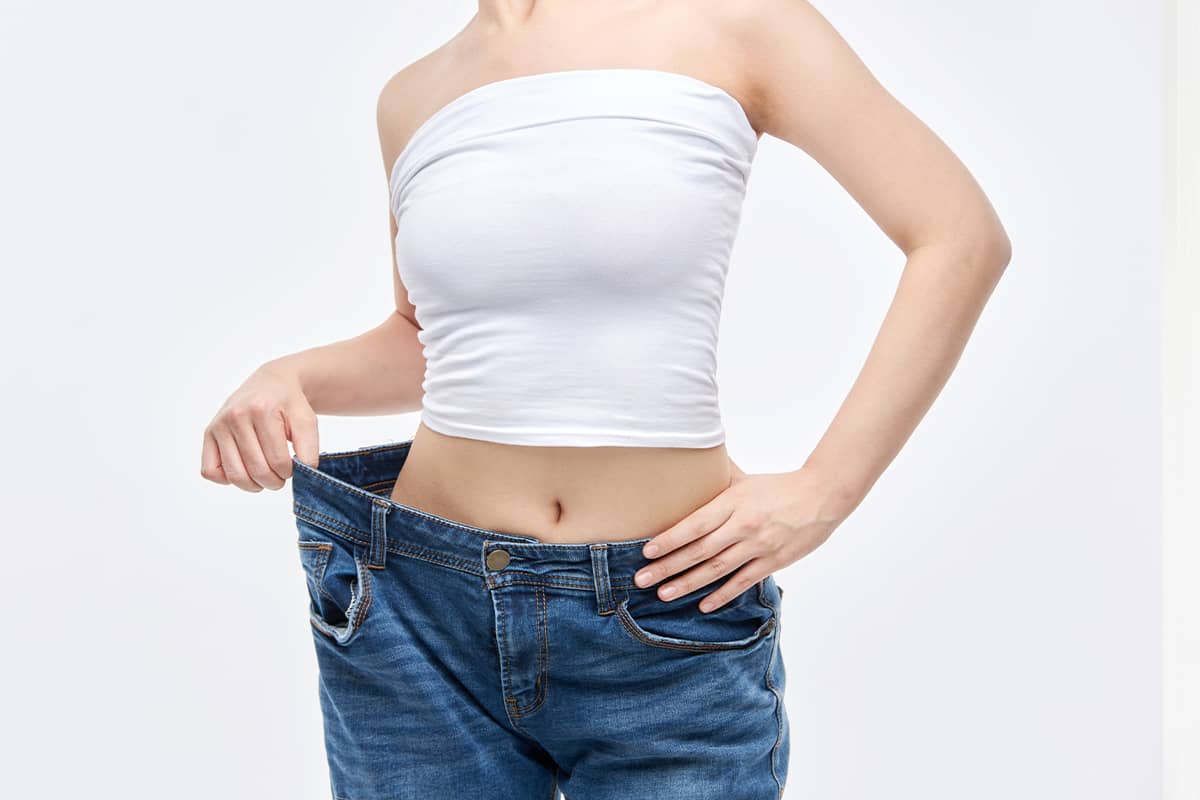
Recovery is the first thing most people ask me about once they decide liposuction is right for them. They want a realistic liposuction recovery timeline so they can plan time off work, line up help at home, and know when they will finally see their new shape. The honest answer is that healing happens in stages, and most of those stages are far gentler than patients expect.
I’m Dr. David Allison, a board-certified plastic surgeon practicing in Princeton, New Jersey and Philadelphia. Over more than 21 years I have performed thousands of procedures across the full range of plastic surgery, and I specialize in awake liposuction, which keeps patients comfortable under local anesthesia and tends to make the recovery process smoother. In this guide I will walk you through what to expect week by week, what can change your personal timeline, and how to make your healing as easy as possible.
Your Liposuction Recovery Schedule and Progress at a Glance
- Most patients feel sore for the first few days, similar to the ache after an intense workout.
- Many people return to desk work within two to five days after liposuction.
- Light exercise usually resumes around two to three weeks, once you feel comfortable.
- Swelling and bruising fade over several weeks while a compression garment supports healing.
- Final liposuction results take shape around three to six months as the last swelling resolves.
What Is the Typical Liposuction Recovery Timeline?
Every body heals at its own pace, so think of this as a general map rather than a strict schedule. In broad terms, the first few days bring mild soreness and swelling, the first couple of weeks return you to most daily routines, and the following weeks and months are about swelling settling and your final results appearing. Two things shape almost the entire experience: swelling and the compression garment that helps control it.
Most of my patients are surprised by how quickly they feel like themselves again. Because I perform awake liposuction without general anesthesia, many people avoid the grogginess and longer downtime that can follow traditional surgery. Liposuction is still a real surgical procedure, though, and giving your body time to heal protects both your comfort and your contour.
The First Few Days After Liposuction
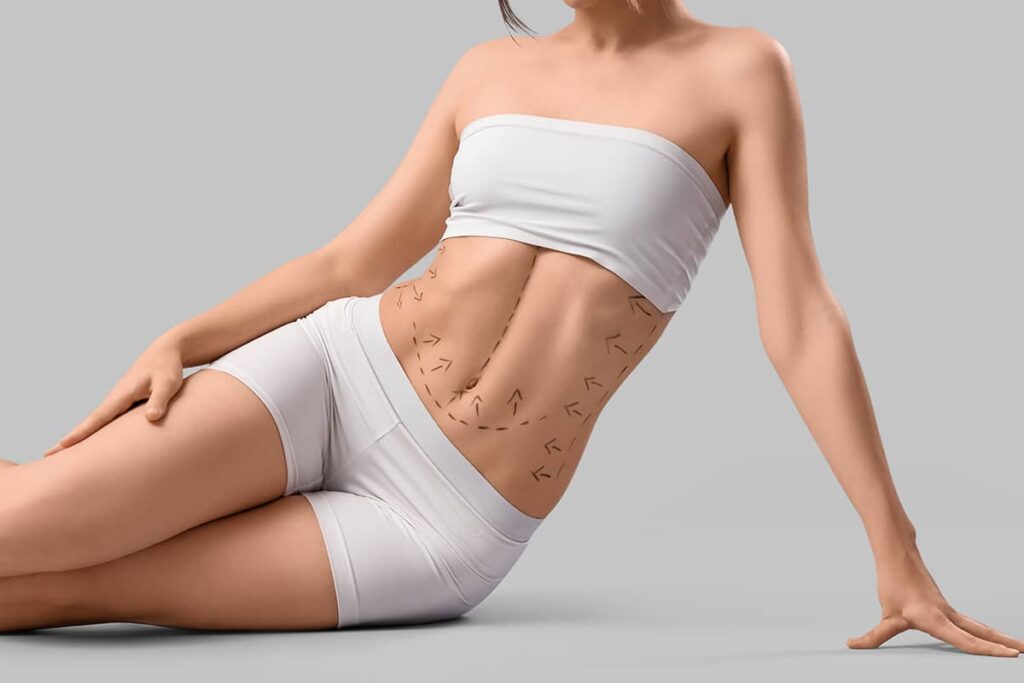
The first 24 hours are the most restful part of recovery. You go home the same day, and I ask you to take it easy while the local anesthesia wears off. Most patients describe the first few days as mild soreness, similar to the muscle ache after a hard workout, rather than sharp pain.
During this stage you can expect:
- Mild soreness and tightness in the treated areas
- Swelling and some bruising that look more dramatic than they feel
- Possibly a little fluid drainage from the incision sites in the first day or two, which is normal
- A compression garment worn around the clock to support healing
Short, gentle walks around the house help your circulation and lower the risk of complications. I give every patient personalized wound care and post-operative instructions, so there is no guesswork in those first days after surgery.
The First Week After Liposuction: Returning to Light Routines
By the first week, most people feel noticeably better and start easing into a light routine. Many of my patients return to desk work within two to five days, depending on how many areas were treated and how they feel. Bruising is usually at its most colorful now, and that is a normal part of the healing process after liposuction.
This is a good time to keep moving gently while still avoiding anything strenuous. Light activity around the house is encouraged, but lifting, bending, and any real exercise can wait. Keeping your compression garment on as directed makes a real difference in how quickly swelling improves during this first week.
Weeks 2 to 3: Getting More Active
Weeks two to three are when patients tell me they feel like themselves again. Soreness has usually faded, much of the early bruising is clearing, and energy is back. People who needed more time off can usually return to work now, and many resume light exercise such as walking or easy cardio around this point.
I still ask patients to hold off on strenuous exercise, heavy weight lifting, and high-impact workouts until I confirm the tissues have healed enough. Easing back in gradually protects your results and keeps swelling from flaring up. Your body gives you good feedback here, so listen to it and increase activity slowly.
Weeks 3 to 6: Swelling Continues to Improve
From weeks three to six, the main story is steady improvement of swelling. Most visible bruising is gone by now, and the firmness in the treated areas begins to soften. This is usually when patients stop wearing their compression garment, since I typically recommend it for three to six weeks to encourage the skin to retract smoothly over your new contour.
Many people return to their full exercise routine toward the end of this window, once I give the go-ahead. You will likely notice your clothes fitting better and early results becoming clearer, even though some residual swelling is still settling. Patience during these weeks pays off in a smoother final shape.
3 to 6 Months: Seeing Final Results
Liposuction results appear gradually, and the full outcome usually becomes clear around three to six months after surgery, once the last of the deeper swelling resolves. Because the fat cells removed during liposuction are gone for good, your results are long-lasting as long as you maintain a stable weight.
By this point, scar care is simple, since the incisions are tiny and tend to fade well into the surrounding skin. Most patients are thrilled to finally see the new shape they have been waiting for.

TRUSTED, EXPERT CARE FOCUSED ON PRECISION AND CONFIDENCE
Dr. Allison provides patients throughout NJ and PA with expert care designed to deliver refined, natural-looking results.
What Can Affect Your Liposuction Recovery Process?
No two recoveries look exactly alike, and several factors influence your personal timeline. The ones I talk through most often during a consultation include:
- The number of areas treated during liposuction and how much fat was removed
- Your skin’s elasticity and natural healing response
- Genetics, which affect how easily you bruise and swell
- Whether you smoke, since smoking slows healing
- How closely you follow your post-operative and wound care instructions
Larger or combined procedures, such as pairing liposuction with a tummy tuck, naturally call for more recovery time than a single small area. During your consultation, I review your health, goals, and lifestyle so we can set an accurate, realistic schedule together.
Is Awake Liposuction Recovery Different?
Yes, and this is one of the biggest reasons I prefer it. Awake liposuction is performed under local anesthesia rather than general anesthesia, so you skip the nausea, grogginess, and longer downtime that general anesthesia can add. Most patients feel clear-headed almost right away and return to light activity within a few days.
There is also a precision benefit that supports your results. Because you stay comfortable and responsive, I can have you stand partway through the procedure to check symmetry from a natural, upright position. That extra step helps me refine your contour and lowers the chance of needing a revision later. A gentler recovery and fewer touch-ups tend to go hand in hand.
How Can You Make Liposuction Recovery Smoother?
A smooth recovery is mostly about preparation and a few simple habits. The advice I give every patient is straightforward:
- Wear your compression garment exactly as directed
- Take short, frequent walks to support circulation
- Stay hydrated and eat balanced, nourishing meals
- Avoid blood-thinning medications unless I have approved them
- Skip strenuous exercise until I clear you for it
- Arrange a ride home and a little help for the first day or two
Small lifestyle changes in the weeks around surgery, like pausing alcohol and not smoking, also help your body heal faster. If anything ever feels off, such as worsening pain or rapid swelling, call my office rather than waiting and wondering.
About Dr. David W. Allison
Dr. David W. Allison is a board-certified plastic surgeon providing cosmetic and reconstructive surgery of the breast and body. With more than 21 years of surgical experience, he offers breast augmentation procedures tailored to each patient’s anatomy, goals, and long-term health considerations.
He emphasizes careful surgical planning, patient education, and individualized treatment strategies designed to support both aesthetic results and functional outcomes. Patients receive comprehensive guidance throughout the consultation process to help them make informed decisions about breast surgery.
Plan Your Liposuction Procedure in New Jersey or Philadelphia
If you are considering liposuction and want a clear picture of what recovery looks like for your body, schedule a consultation at my Princeton or Philadelphia office. Call 609-831-0805 to get started.
Frequently Asked Questions About Liposuction Recovery