
Breast augmentation is one of the most rewarding cosmetic surgery procedures a patient can undergo, but the work doesn’t end when you leave the operating room. Breast implants are medical devices, and like any medical device, they benefit from ongoing attention, proper implant care, and regular follow-up with a plastic surgeon over the years. Understanding what breast implant maintenance looks like, and why it matters, helps patients protect both their results and their long-term health.
Dr. David Allison works with breast augmentation patients throughout New Jersey and the Philadelphia area, providing the follow-up care and guidance needed to keep implants performing well over time.
What Long-Term Implant Care Actually Involves
- Breast implants are not considered lifetime devices — the chance of developing complications increases the longer implants are in place.
- Silicone gel implants require periodic imaging to screen for silent rupture, since a ruptured silicone implant may show no noticeable symptoms.
- Routine follow-up with your plastic surgeon in the years after breast augmentation is the most effective way to catch potential issues early.
- Saline implants and silicone gel implants have different maintenance considerations — knowing which type you have matters for your care plan.
- Lifestyle factors, including significant weight fluctuations, pregnancy, and aging, can affect how breast implants look and feel over time.
How Long Do Breast Implants Last?
One of the most common questions patients ask after breast augmentation is how long their implants will last. The honest answer is that it varies — and there is no guaranteed lifespan for any breast implant. Modern implants are designed to be durable, and many patients go a decade or more without needing any intervention. However, the FDA has been clear that breast implants are not lifetime devices, and the likelihood of requiring removal or replacement increases the longer implants remain in place.
Implant rupture risk accumulates gradually over time. Research indicates that rupture risk begins to increase around the five-to-six-year mark, which informed the FDA’s updated screening timeline. This doesn’t mean implants routinely fail at six years — many remain intact well beyond that — but it underscores why regular monitoring becomes increasingly important as years pass.
Imaging and Screening: What the FDA Recommends
The most important aspect of long-term breast implant maintenance for patients with silicone gel implants is routine imaging. Because silicone implant rupture can occur without any noticeable symptoms — a phenomenon called silent rupture — physical examination alone is not sufficient to detect a problem. The FDA currently recommends that patients with silicone gel-filled breast implants undergo their first ultrasound or MRI screening five to six years after implant placement, followed by repeat screening every two to three years thereafter.
Ultrasound is a less costly and accessible alternative to MRI, and for many patients it is an appropriate first-line screening tool. If ultrasound results are uncertain or concerning, MRI — which offers greater sensitivity for detecting rupture — may be recommended as a follow-up. Your surgeon can advise on the most appropriate imaging approach based on your implant type, how long you’ve had them, and any symptoms you may be experiencing.
Saline implants, by contrast, do not require routine imaging for rupture screening. When a saline implant ruptures, the breast deflates relatively quickly and the change is immediately apparent — making imaging-based surveillance unnecessary for that specific concern.
It’s also worth noting that routine mammography guidelines are unchanged for women with breast implants, though additional imaging views are typically taken to ensure adequate visualization of breast tissue around the implants.

TRUSTED, EXPERT CARE FOCUSED ON PRECISION AND CONFIDENCE
Dr. Allison provides patients throughout NJ and PA with expert care designed to deliver refined, natural-looking results.
Warning Signs That Warrant a Prompt Appointment with Your Plastic Surgeon
In between scheduled screenings, patients should stay attentive to changes in their breasts and contact their surgeon if any of the following develop:
- Persistent pain, tenderness, or discomfort in one or both breasts
- Noticeable hardening or tightening, which may indicate capsular contracture, one of the more common long-term complications of breast augmentation
- A visible change in breast size, shape, or symmetry
- Swelling that develops well after the initial recovery period
- Redness, warmth, or other signs that may suggest infection
These symptoms don’t always indicate a serious problem, but they should be evaluated rather than monitored at home. Early identification of potential issues consistently leads to more straightforward treatment.
Weight Fluctuations, Aging, and Your Breast Implants
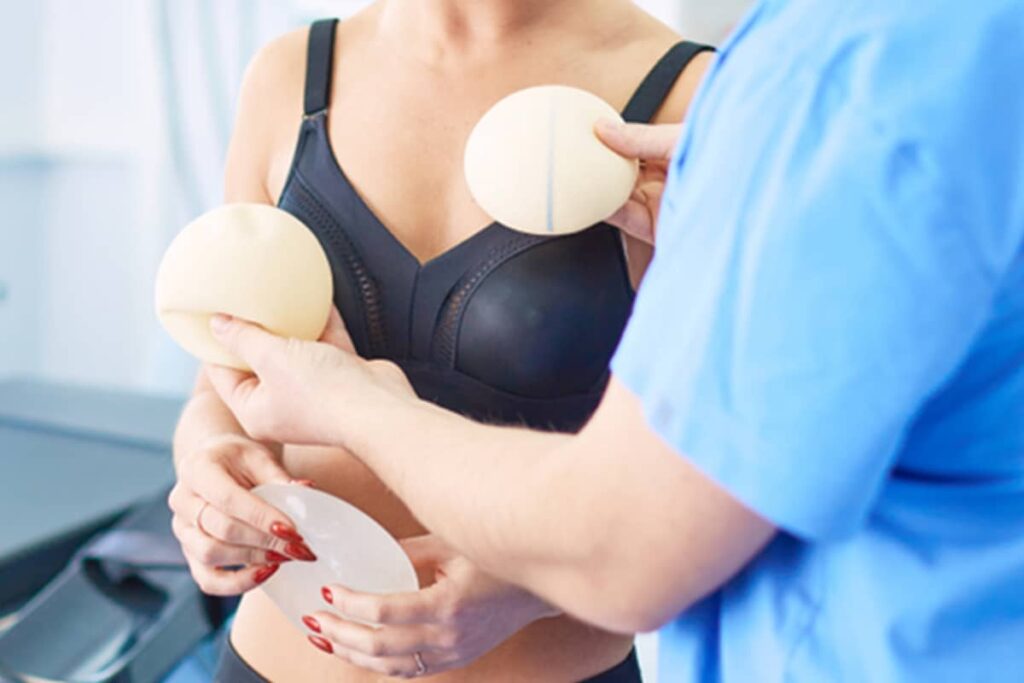
Breast implants themselves don’t change with age or weight — the implant shell and fill remain as placed. What does change is the natural breast tissue surrounding them, along with the skin and soft tissue of the chest. Significant weight fluctuations can alter the amount of breast tissue overlying the implant, affecting how the augmentation looks. Weight gain may add volume around the implant; weight loss may reduce tissue coverage and potentially make the implant more noticeable or cause rippling.
Pregnancy and breastfeeding also affect the breast tissue and skin, which can change the overall appearance of augmentation results over time. Some women find that their implants look different after pregnancy, regardless of whether they breastfed. Aging naturally brings some degree of breast tissue change and skin laxity, which can affect implant position and the overall shape of the breast. In some cases, a breast lift may eventually be considered to address drooping that develops years after the original breast augmentation surgery.
None of these changes represents implant failure — they are the natural interaction between a fixed implant and a body that continues to change. Understanding this helps patients set realistic long-term expectations for their results.
When Implant Replacement or Removal Makes Sense
Replacement or removal is not automatically needed after any particular number of years. Many patients have well-functioning implants for fifteen years or more. The reasons to consider a surgical procedure to address implants fall into two broad categories: medical and aesthetic.
On the medical side, confirmed rupture, significant capsular contracture, infection, or persistent unexplained symptoms are the primary drivers of revision surgery. On the aesthetic side, patients sometimes choose replacement because their goals or preferences have changed — they want a different size, a different feel, or want to address the natural changes that have occurred to the surrounding tissue over the years.
There is no obligation to replace implants simply because they have been in place for a certain amount of time. The decision should be based on your individual situation, imaging findings, any symptoms, and a candid conversation with your plastic surgeon about your goals.
About Dr. David W. Allison
Dr. David W. Allison is a board-certified plastic surgeon with more than 21 years of experience performing breast augmentation surgery and other cosmetic procedures. He provides individualized care focused on patient safety, education, and long-term outcomes.
During consultation, Dr. Allison evaluates each patient’s goals, anatomy, and health history to develop a personalized surgical plan. His approach emphasizes clear communication and detailed post-operative guidance to support a safe recovery process.
Follow-Up Care and Proper Maintenance with Dr. David Allison in NJ and Philadelphia
Good breast implant maintenance starts with a surgeon who stays engaged with your care after the procedure — not just in the weeks following surgery, but in the years that follow. Dr. David Allison provides ongoing follow-up care for breast augmentation patients throughout New Jersey and the Philadelphia area, including guidance on imaging timing, monitoring for potential issues, and evaluation of any changes patients notice over time.
Whether you are newly post-operative, several years out from surgery, or have implants from a procedure performed elsewhere, a follow-up consultation is always a worthwhile step. Contact the office today to schedule your appointment.
Frequently Asked Questions About Breast Implant Maintenance