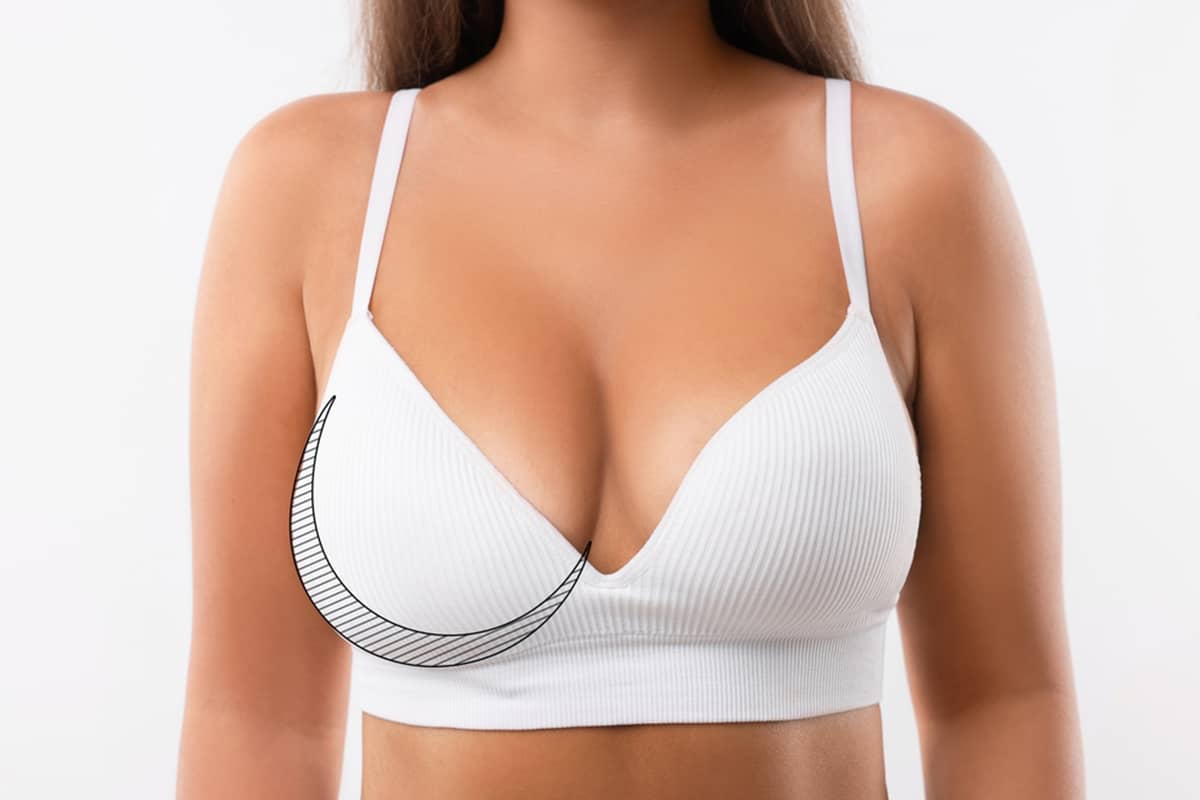
Uneven breast size, shape, or position is far more common than most women realize — in fact, some degree of breast asymmetry is present in the majority of women. For many, the difference is subtle and causes no concern. But for women with more significant asymmetry, the impact on confidence, comfort, clothing, and daily life can be real and meaningful. The good news is that breast asymmetry correction surgery offers highly effective, lasting solutions that can be tailored to each patient’s unique anatomy and goals.
Dr. David Allison has extensive experience helping women throughout New Jersey and the Philadelphia area address uneven breasts through individualized surgical approaches. Here’s what you need to know about your options.
What Breast Asymmetry Actually Looks Like
Breast asymmetry refers to a noticeable difference between the breasts in terms of size, shape, or position. The types of breast asymmetry vary; one breast may be considerably larger or smaller than the other, one may sit higher or lower on the chest, the nipples may be positioned differently, or there may be differences in breast shape or firmness that make the two breasts look visibly mismatched. In some women, multiple types of asymmetry are present simultaneously, which affects how corrective surgery is planned.
It’s worth understanding that achieving perfect symmetry, two completely identical breasts, is not a realistic surgical goal. No two breasts are ever precisely alike, even after correction. What breast asymmetry correction surgery reliably achieves is a meaningful reduction in visible differences, creating a balanced, natural-looking result that the patient feels comfortable and confident in.
What Causes Uneven Breasts?
Asymmetry develops for a variety of reasons, and identifying the underlying cause is part of how a plastic surgeon develops the most appropriate correction plan. Common contributing factors include:
- Genetics and natural developmental variation, which account for the majority of breast asymmetry cases
- Hormonal changes during puberty, pregnancy, or menopause, which can affect breast tissue differently on each side
- Weight fluctuations, which can alter breast volume unevenly
- Previous breast surgery, trauma, or illness affecting breast tissue on one side
- Congenital conditions such as tuberous breast deformity or Poland syndrome, which affect breast development structurally
In many cases, no specific cause is identified — the asymmetry is simply the result of natural variation in how breast tissue developed over time.
When Breast Asymmetry Correction Surgery Makes Sense
Not every patient with uneven breast size or shape needs or wants surgery. But when the degree of asymmetry is causing physical discomfort, affecting the fit of clothing or bras, or creating persistent self-consciousness that affects quality of life, a consultation with a plastic surgeon is a worthwhile step. Surgery is also worth exploring when asymmetry has developed following a prior breast procedure, or when one breast has a structural characteristic, such as a tuberous shape or significant excess skin, that is unlikely to improve without surgical intervention.
Breast development should be complete before asymmetry correction surgery is considered. Your surgeon will discuss timing and candidacy during the consultation.

Surgical Options for Breast Asymmetry Correction
The most important aspect of breast asymmetry correction surgery is that it is entirely individualized. There is no single standard procedure — the right approach depends on which breast or breasts need to be addressed, the nature and degree of asymmetry present, whether the patient prefers to be larger or smaller overall, and the structural characteristics of each breast. The procedures most commonly used — alone or in combination — are breast augmentation, breast reduction, and breast lift (mastopexy).
Breast Augmentation for Asymmetry Correction
When one breast is noticeably smaller than the other, breast augmentation with implants is often the most direct path to correction. A single implant can be placed in the smaller breast to bring it into closer balance with the larger one, or differently sized implants can be placed in both breasts when the patient also wants an increase in overall size. Fat grafting is another augmentation option for select patients who prefer a natural approach and need only modest volume adjustment — this technique uses fat harvested from elsewhere on the body rather than implants.
Augmentation-based correction tends to involve less scarring than reduction or lift procedures, which makes it an appealing option for patients with primarily volume-based asymmetry and good skin elasticity.
Breast Reduction for Asymmetry Correction
When one breast is significantly larger than the other and the patient is either satisfied with the smaller breast’s size or wants to reduce overall breast size, reduction of the larger breast is the more appropriate path. Breast reduction removes excess breast tissue and skin and repositions the breast for a more proportionate, comfortable result. In some cases, a modest reduction may be performed on both breasts simultaneously — reducing the larger breast more substantially while making a smaller adjustment to the other side to achieve the best symmetry.
Reduction is also a natural fit when the larger breast causes physical discomfort, such as back or shoulder strain, making the procedure both cosmetically and functionally beneficial.
Breast Lift for Differences in Position and Shape
When the asymmetry involves differences in breast position, drooping, or shape rather than — or in addition to — size, a breast lift may be indicated. Mastopexy removes excess skin and reshapes the breast tissue to create a lifted, more symmetrical position on the chest. It can be performed on one breast alone to match a naturally higher breast, or on both breasts when each side needs positional improvement to achieve balance. Nipple position is also addressed as part of a breast lift, which is particularly relevant when the nipples sit at noticeably different heights.
Combination Procedures for Complex Asymmetry
Many patients benefit most from a combination of the above approaches — for example, a reduction and lift on one side paired with augmentation on the other, or a lift on both breasts with different implant sizes to address both position and volume differences simultaneously. Combination breast asymmetry correction surgery requires careful planning and surgical skill to coordinate multiple techniques in a way that produces a cohesive, balanced result.
In cases of very significant asymmetry, a staged approach — two separate procedures spaced several months apart — may produce better outcomes than attempting to address everything at once.

TRUSTED, EXPERT CARE FOCUSED ON PRECISION AND CONFIDENCE
Dr. Allison provides patients throughout NJ and PA with expert care designed to deliver refined, natural-looking results.
Risks, Complications, and Patient Safety
As with all surgical procedures, breast asymmetry correction carries risks that every patient should understand before proceeding. General surgical risks include infection, bleeding, and reactions to anesthesia. Procedure-specific considerations include changes in nipple or breast sensation, scarring, asymmetry in healing between the two sides, and — in augmentation cases — implant-related risks such as capsular contracture. Your surgeon will review all risks and complications relevant to your specific planned procedure during the consultation, and patient safety remains a central priority throughout the surgical planning process.
It’s also worth noting that a mammogram is typically recommended before surgery for appropriate candidates, and routine breast health monitoring should continue following any breast procedure.
What the Consultation Looks Like
During your consultation with Dr. Allison, both breasts are carefully evaluated — size, shape, skin quality, nipple position, and the overall structural characteristics of each breast are assessed. Your goals and preferences are discussed in detail, including whether you’d prefer to be larger, smaller, or approximately the same size overall after correction. From there, a surgical plan is developed that is specific to your anatomy and what will produce the most balanced, natural-looking results.
This is also the appropriate time to ask about recovery, scarring, and realistic expectations for your outcome. Breast asymmetry correction results are long-lasting, though significant weight changes, pregnancy, or future hormonal changes can affect the breasts over time.
About Dr. David W. Allison
Dr. David W. Allison is a board-certified plastic surgeon with more than 21 years of experience performing breast augmentation surgery and other cosmetic procedures. He provides individualized care focused on patient safety, education, and long-term outcomes.
During consultation, Dr. Allison evaluates each patient’s goals, anatomy, and health history to develop a personalized surgical plan. His approach emphasizes clear communication and detailed post-operative guidance to support a safe recovery process.
Schedule a Consultation with Dr. David Allison in NJ and Philadelphia
If uneven breast size, shape, or position has been affecting your confidence or comfort, breast asymmetry correction surgery may offer the balanced, lasting result you’ve been looking for. Dr. David Allison works with patients at multiple locations throughout New Jersey and the Philadelphia area to develop personalized surgical plans built around each patient’s individual anatomy and goals. Contact the office today to schedule your consultation.
Frequently Asked Questions About Breast Asymmetry Surgery