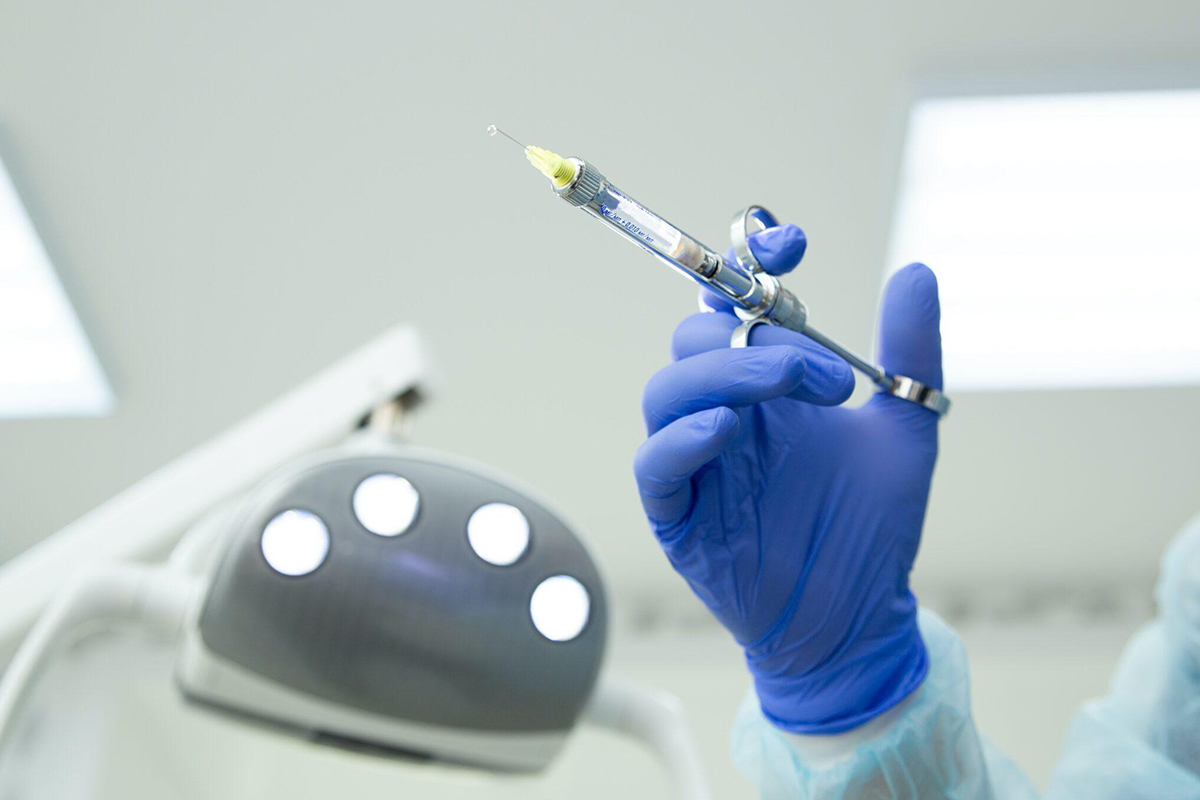
Quick answer: For many facial cosmetic procedures, anesthesia time is measured in hours, not minutes. A facelift, neck lift, eyelid surgery, rhinoplasty, or combined facial procedure may take about two to six hours, depending on the surgical plan.
General anesthesia is one of the most common concerns patients have before facial surgery. Even patients who feel confident about their procedure may become nervous as surgery day gets closer. General anesthesia is not simply a deeper version of sleep; it is a carefully controlled, reversible state of unconsciousness that allows surgery to be performed safely and comfortably.
For facial procedures, anesthesia time depends on the procedure being performed, whether multiple procedures are combined, your overall health, and how your body responds. A standard facelift is different from a facelift with a neck lift, eyelid surgery, fat grafting, or skin resurfacing, which is why your surgeon and anesthesia provider should review your medical history before recommending the safest plan.
Key Takeaways
- There is no universal time limit for general anesthesia; safety depends on patient health, procedure complexity, facility standards, and monitoring.
- Many facial procedures take about two to six hours, while more complex combination surgeries may take longer.
- Most patients begin waking shortly after anesthesia medications are stopped, but full recovery can take minutes to hours.
- Local anesthesia, twilight sedation, and general anesthesia are different options, and the right choice depends on the procedure and patient.
- An accredited surgical setting, an experienced anesthesia provider, and a careful preoperative review are essential for safety.
What Anesthesia Does During Facial Surgery
Anesthesia has two main goals during facial surgery: keeping you comfortable and allowing the surgeon to work with precision. Depending on the procedure, anesthesia may prevent pain, reduce anxiety, relax the body, help control movement, and make it possible to complete delicate work around the face and neck.
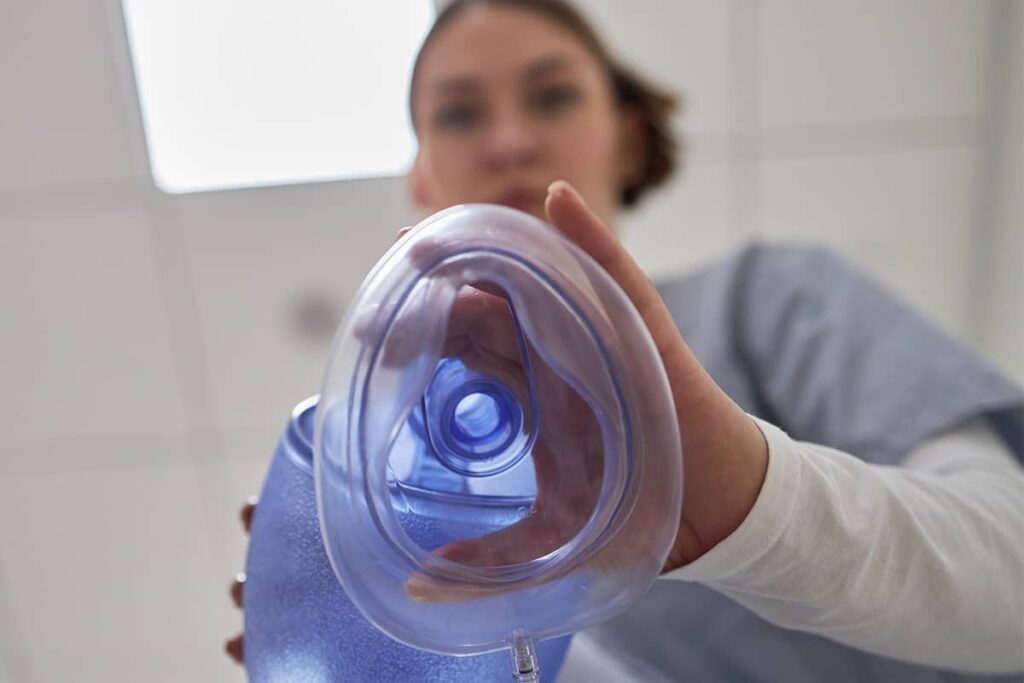
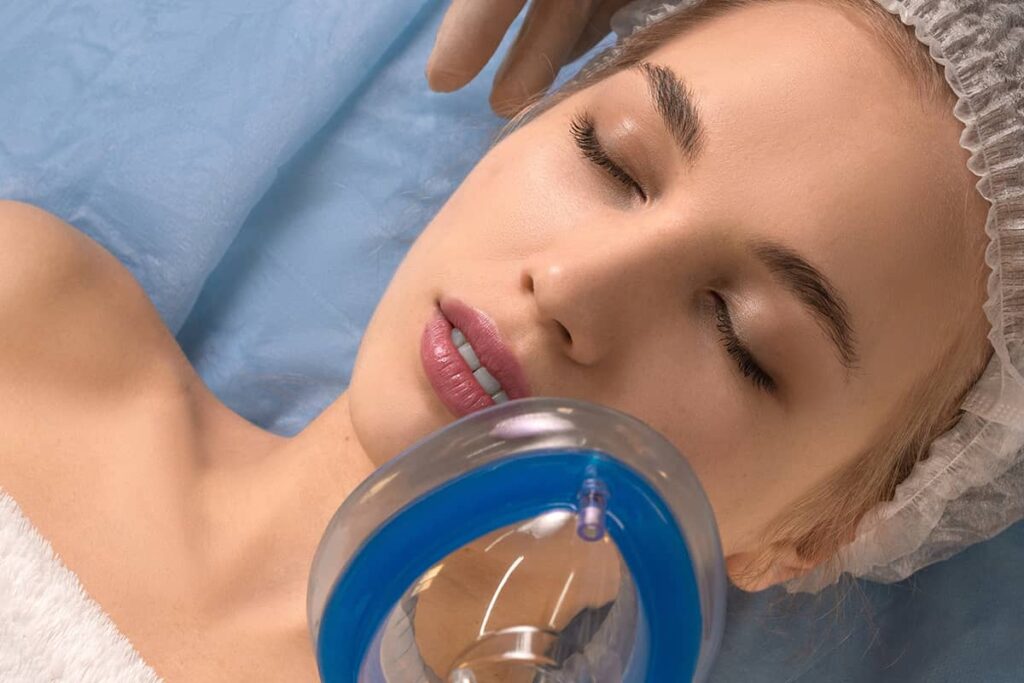
During general anesthesia, medications may be given through an IV, inhaled through a mask or breathing tube, or both. Your anesthesia provider adjusts medication throughout the procedure based on vital signs, breathing, surgical stage, and your individual response. That is why the training and experience of the anesthesia team matter as much as the number of hours involved.
How Long Can Someone Stay Under General Anesthesia?
A patient can be under general anesthesia for several hours when it is medically appropriate and properly monitored. Some medically necessary operations last much longer than typical cosmetic procedures. However, elective facial surgery is usually planned with a more conservative approach because the goal is to achieve the best result while minimizing unnecessary stress on the body.
For cosmetic facial surgery, many surgeons prefer to keep anesthesia time efficient rather than extending surgery without a clear benefit. A less complex eyelid procedure may take much less time than a full facelift and neck lift. A more involved facial rejuvenation plan may require several hours, especially when multiple areas are addressed in one operation.
Longer anesthesia time increases the importance of temperature control, blood pressure stability, hydration, positioning, and recovery planning. Time matters, but it is only one part of the risk picture. A healthy patient undergoing a well-planned procedure has a different risk profile from a patient with untreated sleep apnea, heart disease, uncontrolled diabetes, or complex medication concerns.
How Long Does Anesthesia Last After Surgery?
When patients ask, “How long does anesthesia last?” they are often asking two different questions: how long they will be unconscious and how long they may feel the effects afterward. During surgery, general anesthesia lasts as long as the anesthesia provider continues the medications needed for the procedure. Once the operation is complete, those medications are stopped or adjusted so you can begin waking up.
The strongest effects usually fade in the recovery room, but some after-effects can last for hours. The Anesthesia Patient Safety Foundation notes that patients often begin waking within a few minutes after the procedure is complete, while full recovery can take minutes to hours. Temporary effects may include nausea, dizziness, and confusion.
It is also common to feel sleepy, chilly, mildly nauseated, or to have a sore throat if a breathing tube was used. The American Society of Anesthesiologists notes that some people feel sleepy as anesthesia wears off, while others may experience nausea, chills, vomiting, or throat soreness. These symptoms are usually temporary, and the recovery team can often provide medication or supportive care.
What Affects Anesthesia Safety?
Your Health History
Your medical history is one of the most important factors in anesthesia safety. Age, weight, smoking or nicotine use, sleep apnea, heart or lung disease, blood pressure, diabetes, liver or kidney disease, medication use, allergies, and previous anesthesia reactions can all affect planning. The American Society of Anesthesiologists notes that anesthesia can be more dangerous for patients with obstructive sleep apnea because breathing can become more difficult during and after surgery.
Medications and Supplements
Medication review is also important. Blood thinners, supplements, anxiety medications, pain medications, and diabetes medications may need special instructions. Patients taking GLP-1 medications, such as semaglutide or tirzepatide, should tell their surgeon and anesthesia provider because these medications may affect stomach emptying and anesthesia planning.
Procedure Length and Complexity
The procedure itself also matters. A short procedure with minimal blood loss and limited airway considerations is different from a longer operation that combines several techniques. Facial surgery can involve work around the nose, mouth, jawline, and neck, so the anesthesia plan must account for airway access, swelling, positioning, and postoperative comfort.

TRUSTED, EXPERT CARE FOCUSED ON PRECISION AND CONFIDENCE
Dr. Allison provides patients throughout NJ and PA with expert care designed to deliver refined, natural-looking results.
General Anesthesia, Twilight Sedation, and Local Anesthesia
Not every facial procedure requires general anesthesia. Local anesthesia numbs a specific area while the patient remains awake. Sedation, sometimes called twilight sedation or monitored anesthesia care, relaxes the patient and may make them sleepy or unlikely to remember the procedure. General anesthesia makes the patient unconscious and unaware during surgery.
The American Society of Anesthesiologists describes local anesthesia as medication that numbs a small area of the body while the patient remains awake and alert. Sedation may be used for shorter or less complex procedures when local anesthesia alone is not enough, while general anesthesia is often used for longer, more involved, or more invasive operations.
For facial surgery, the safest choice is not always the lightest choice or the deepest choice. It is the option that matches the procedure, the surgeon’s needs, the patient’s health, and the ability to protect the airway and maintain comfort.
Can You Go Under Anesthesia More Than Once?
There is no universal maximum number of times a person can receive anesthesia. Many people undergo anesthesia more than once in their lives for dental work, diagnostic procedures, emergency operations, childbirth-related procedures, or elective surgery. What matters most is whether you are healthy enough for anesthesia for each procedure.
If you have had anesthesia before, tell your team how you responded, including nausea, vomiting, difficult intubation, prolonged grogginess, allergic reactions, severe anxiety, or a family history of malignant hyperthermia. For patients considering multiple cosmetic procedures, the surgeon may recommend combining certain procedures or staging them separately based on safety, goals, and total surgical time.
Safety Questions to Ask Before Your Procedure
Before your procedure, consider asking:
- What type of anesthesia do you recommend for my facial procedure?
- How long do you expect my surgery to take?
- Who will administer and monitor my anesthesia? Is the surgical facility accredited?
- What monitoring is used during surgery?
- What happens if my procedure takes longer than expected?
- How long should I expect to feel groggy afterward?
- When can I safely return to normal activities?
These questions can help you feel more confident, informed, and prepared before surgery.
About Dr. David W. Allison
Dr. David W. Allison is a board-certified plastic surgeon providing cosmetic and reconstructive surgery of the breast and body. With more than 21 years of surgical experience, he offers breast augmentation procedures tailored to each patient’s anatomy, goals, and long-term health considerations.
He emphasizes careful surgical planning, patient education, and individualized treatment strategies designed to support both aesthetic results and functional outcomes. Patients receive comprehensive guidance throughout the consultation process to help them make informed decisions about breast surgery.
Safe Facial Surgery Starts With the Right Anesthesia Plan
Anesthesia for facial surgery is generally safe when it is carefully planned, properly monitored, and performed in the right setting for the patient. The length of time under anesthesia matters, but it is not the only factor. Your health, your procedure, the anesthesia provider, the surgical facility, and the recovery plan all work together to determine safety.
At our practice, patient safety is a central part of the surgical experience. Our team focuses on natural-looking facial and body contouring results while prioritizing careful planning, appropriate anesthesia recommendations, and high-quality care from consultation through recovery. To schedule a surgical consultation, fill out an online inquiry form or call our office team at 609-831-0805.