If you’ve been eating better, exercising consistently, and still can’t seem to get rid of certain stubborn areas of fat, you’re not alone. Many patients start wondering whether liposuction could finally give them the results they’ve been working toward.
It’s a common question in both New Jersey and Philadelphia: Is liposuction actually a good way to lose weight? The honest answer is no. Liposuction is not a weight loss procedure or an obesity treatment. It’s designed for body contouring — refining specific areas of fat that resist diet and exercise. Most patients lose only a small amount of weight because strict safety limits control how much fat can be removed. It targets subcutaneous fat under the skin, not deeper visceral fat that affects overall health. To understand why that distinction matters, let’s break it down.
Is Liposuction Good for Weight Loss?
- Liposuction is not a weight loss procedure. It is designed to contour and refine specific areas of stubborn fat — not treat obesity.
- Most patients lose only 2 to 5 pounds. Strict safety guidelines limit how much fat can be removed in a single procedure.
- Liposuction removes subcutaneous fat, not visceral fat. It does not address the deeper fat linked to health risks.
- Ideal candidates are close to their goal weight. The procedure works best for refining shape, not achieving major weight reduction.
- Results are long-lasting with weight stability. Removed fat cells do not return, but maintaining healthy habits protects your outcome.
What Is Liposuction Designed to Do?
Liposuction is a cosmetic surgical procedure designed to reshape and contour specific areas of the body.
How Liposuction Removes Stubborn Fat
During liposuction, a small, thin tube called a cannula is inserted through tiny incisions in the skin. The cannula gently suctions out unwanted fat from targeted areas.
The procedure removes subcutaneous fat, the layer of fat just beneath the skin. These fat cells are permanently removed from the treated area.
However, liposuction is not intended to remove large amounts of fat from the entire body. It is a localized treatment meant to refine shape, not change your metabolism or produce dramatic weight loss.
The Real Goal: Body Contouring, Not Weight Reduction
The true purpose of liposuction is to:
- Improve proportions
- Smooth stubborn bulges
- Enhance natural body contours
- Create a more sculpted silhouette
Many patients look noticeably slimmer after surgery — even though the number on the scale changes very little. Visual refinement does not always translate into significant weight reduction.
Why Liposuction Is Not a Weight Loss Procedure
Understanding the difference between fat removal and weight loss is critical.
The Difference Between Fat Reduction and Weight Loss
Traditional weight loss occurs when you burn more calories than you consume. This causes fat cells throughout the body to shrink. It affects overall body mass and metabolic health.
Liposuction does something different. It removes specific pockets of fat in localized areas. It does not:
- Improve metabolic function
- Lower blood sugar
- Reduce visceral fat
- Treat obesity
It changes contours — not overall body composition in a systemic way.
Subcutaneous Fat vs. Visceral Fat
There are two main types of fat in the body:
- Subcutaneous fat – Located just under the skin and visible externally
- Visceral fat – Located deep within the abdomen around internal organs
Visceral fat is the type associated with health risks such as heart disease and diabetes. Liposuction does not remove visceral fat. It only removes subcutaneous fat.
Because of this, liposuction is not considered a treatment for obesity or a substitute for medically supervised weight loss.
How Much Weight Can You Actually Lose With Liposuction?
There are established safety guidelines that limit how much fat can be removed during a single cosmetic procedure. Most patients lose an average of 2 to 5 pounds.
These limits are intentional. Removing excessive fat increases the risk of complications. Responsible plastic surgeons prioritize safety over aggressive fat removal.
That’s why realistic expectations are essential, and why a personalized consultation matters.
Who Is a Good Candidate for Liposuction?
Implant placement is an important surgical factor that can influence breastfeeding outcomes.
Ideal Candidates Are Close to Their Goal Weight
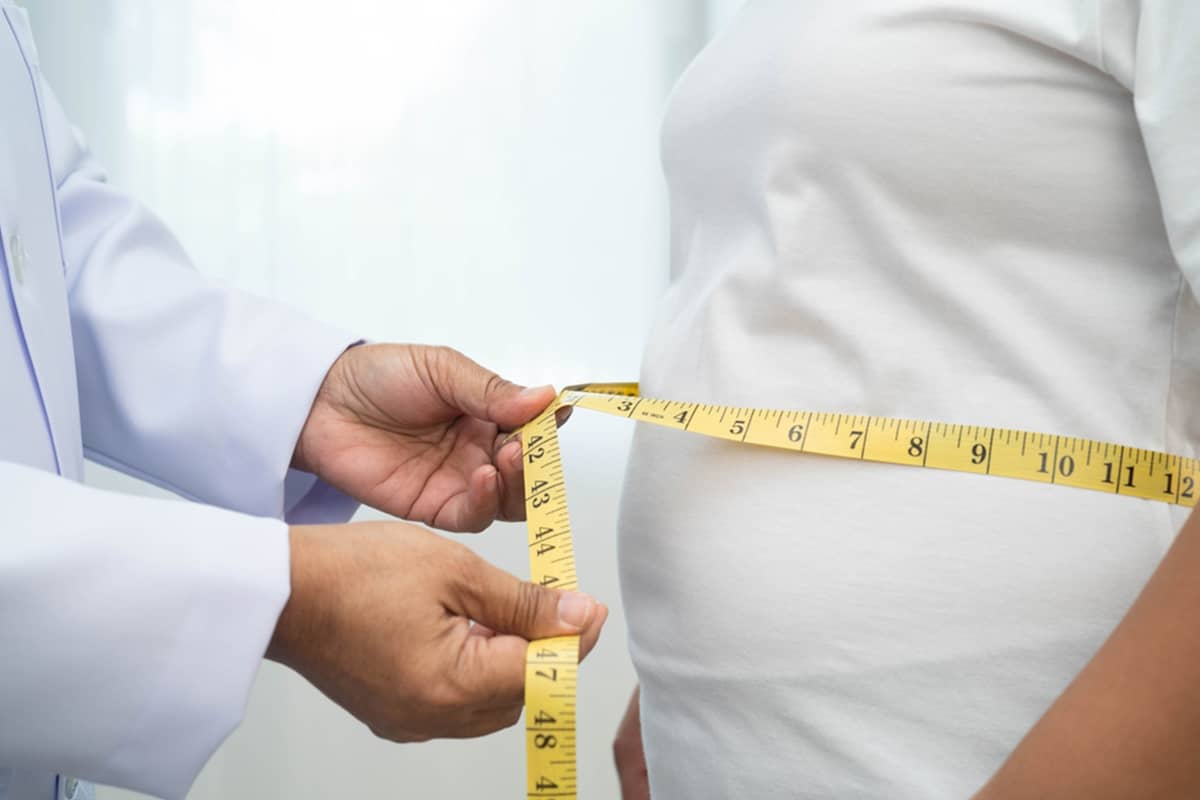
The best candidates typically:
- Are within 10–20 pounds of their ideal weight
- Have maintained a stable weight for several months
- Have good skin elasticity
- Are in good overall health
- Maintain healthy lifestyle habits
These patients want refinement — not dramatic weight reduction.
When Weight Loss Should Come First
If someone has obesity or desires substantial weight loss, liposuction should not be the first step.
Medically supervised weight management is safer and more effective for systemic weight reduction. Liposuction should never replace foundational weight-loss strategies.
When Liposuction Can Enhance Results After Weight Loss
Many patients pursue liposuction after achieving significant weight loss. Even then, certain areas, such as the lower abdomen or flanks, may remain resistant. In these cases, liposuction can fine-tune contours and enhance overall proportions.
The best way to determine candidacy is through a personalized consultation.

TRUSTED, EXPERT CARE FOCUSED ON PRECISION AND CONFIDENCE
Dr. Allison provides patients throughout NJ and PA with expert care designed to deliver refined, natural-looking results.
What If You Want Significant Weight Loss?
If your primary goal is major weight reduction for health reasons, other options may be more appropriate, including:
- Structured diet and exercise programs
- Physician-supervised medical weight management
- GLP-1 medications
- Bariatric surgery for qualifying patients
Bariatric surgery, unlike liposuction, is specifically designed to produce substantial weight loss and long-term metabolic change.
At his practice serving patients in New Jersey and Philadelphia, Dr. David Allison takes a patient-centered approach. If liposuction is not the right solution for your goals, he will explain why — and help guide you toward appropriate alternatives.
What Happens If You Gain Weight After Liposuction?
Are Liposuction Results Permanent?
Yes. The fat cells removed during liposuction are permanently eliminated from the treated area. Once those specific fat cells are gone, they do not regenerate.
However, liposuction does not prevent future weight gain. The remaining fat cells in both treated and untreated areas can still expand if significant weight gain occurs. This means that while the reduction is permanent, the overall appearance can change depending on long-term weight stability.
Why Lifestyle Still Matters After Surgery
If weight gain happens after liposuction, fat may accumulate in untreated areas of the body. In some cases, this can slightly alter overall proportions.
Maintaining a stable weight helps preserve your results and protect your investment in surgery. Liposuction delivers the best long-term outcome when it’s combined with consistent, healthy lifestyle habits such as balanced nutrition and regular physical activity.
What Areas Can Liposuction Treat?
Liposuction is designed to target localized fat deposits that do not respond to diet and exercise. While it is not a weight loss procedure, it can significantly improve contour and proportions in carefully selected areas of the body.
Abdomen and Flanks
Liposuction can reduce lower abdominal fullness and refine the waistline by addressing fat along the flanks, often referred to as “love handles.” This can create a more defined midsection.
Arms and Back
For patients bothered by fullness in the upper arms or along the bra line and upper back, liposuction can create a more streamlined contour. These areas are often resistant to strength training alone.
Thighs and Hips
Liposuction can reshape both the outer thighs (“saddlebags”) and inner thighs. By removing excess fat in these areas, the legs may appear slimmer and more proportionate to the rest of the body.
Male Chest Contouring
In men with excess fatty tissue in the chest, liposuction can help create a flatter, more masculine chest contour. Proper evaluation is important to determine whether fat removal alone is appropriate.
Every treatment plan is personalized. The areas treated depend on your anatomy, skin elasticity, overall health, and aesthetic goals. A consultation allows for a thorough evaluation to determine which areas can be safely and effectively addressed.
Is Liposuction Safe?
When performed within established guidelines by a qualified surgeon, liposuction is considered safe.
Safety Limits on Fat Removal
Clear recommendations exist regarding safe removal volumes. These standards reduce complication risk and support smoother recovery.
Responsible surgeons prioritize safety over aggressive fat extraction.
The Importance of Choosing a Board-Certified Plastic Surgeon
Choosing a board-certified plastic surgeon significantly impacts safety and results. Dr. David Allison is a board-certified plastic surgeon specializing in body procedures for patients throughout New Jersey and the Philadelphia area. His approach includes:
- Careful patient selection
- Detailed surgical planning
- Accredited surgical facilities
- Natural-looking results
- Safety-focused protocols
About Dr. David W. Allison
Dr. David W. Allison is a board-certified plastic surgeon providing cosmetic and reconstructive surgery of the breast and body. With more than 21 years of surgical experience, he offers breast augmentation procedures tailored to each patient’s anatomy, goals, and long-term health considerations.
He emphasizes careful surgical planning, patient education, and individualized treatment strategies designed to support both aesthetic results and functional outcomes. Patients receive comprehensive guidance throughout the consultation process to help them make informed decisions about breast surgery.
Schedule a Liposuction Consultation in New Jersey or Philadelphia
If you’re frustrated with stubborn fat and want clear answers about whether liposuction is right for you, the next step is a personalized consultation.
Dr. David Allison provides honest evaluations and customized treatment plans for patients in New Jersey and Philadelphia. During your consultation, you’ll receive straightforward guidance about whether liposuction aligns with your goals.
Ready to explore your options? Call 609-831-0805 or schedule your consultation today and take the next step toward a more sculpted, confident you.
Frequently Asked Questions About Liposuction and Weight Loss