

If you’re considering liposuction, you’ve probably imagined the slimmer contours, smoother lines, and clothes fitting just a little better. But then comes the practical question that stops many people in their tracks: Will I be left with visible scars? It’s a fair concern. After all, the goal of cosmetic surgery is to enhance your appearance — not trade one insecurity for another.
The truth is that liposuction does involve small incisions, and yes, those incisions can leave scars. But the size, placement, and long-term visibility of those scars are very different from what most people picture when they hear the word “surgery.” Let’s walk through what you can realistically expect, what influences how scars heal, and what you can do to minimize them.
What to Know Before Choosing Liposuction
- Liposuction does leave small scars, but they are typically only a few millimeters long.
- Incisions are strategically placed in natural creases or discreet areas to reduce visibility.
- Most liposuction scars fade significantly over six to twelve months as they mature.
- Proper aftercare and healthy lifestyle habits play an important role in how scars heal.
- Choosing an experienced plastic surgeon can greatly influence how subtle your scars appear.
How Big Are Liposuction Incisions?
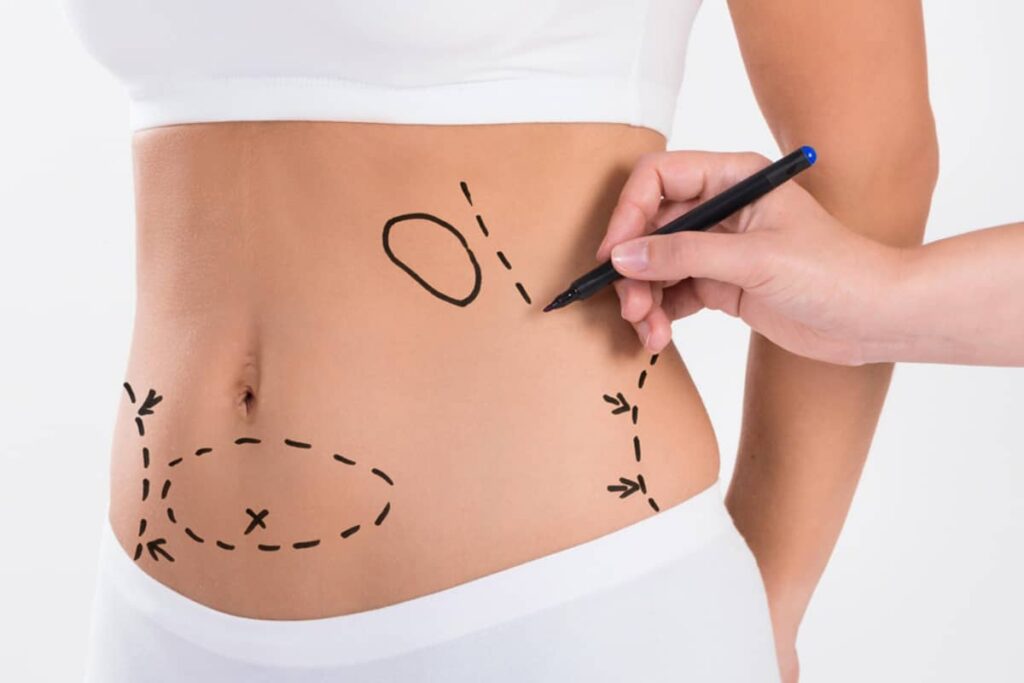
Liposuction requires very small incisions so a thin surgical instrument called a cannula can be inserted beneath the skin to remove unwanted fat. In modern liposuction techniques, these incisions are typically between 3 and 10 millimeters in length, often less than half an inch.
Because microcannulas are commonly used today, the openings needed are quite small. In many cases, the incisions may only require a stitch or two, and sometimes they are small enough to close on their own.
The number of incisions depends on the size and shape of the treatment area. Larger areas such as the abdomen or thighs may require a few access points to ensure smooth, even fat removal. Smaller areas, like under the chin, may only require one or two tiny incisions.
What Do Liposuction Scars Look Like as They Heal?
Understanding the healing timeline can help set realistic expectations.
- First 1–3 weeks:
Incisions may appear red or pink and slightly raised. Mild swelling and bruising around the area are common. This stage can make the incision look more noticeable than it ultimately will be. - One to three months:
The redness gradually fades. Scars may look slightly darker or lighter than the surrounding skin, depending on your skin tone. They typically begin flattening and softening during this stage. - Three to twelve months:
This is when scars mature. They continue to lighten and blend more naturally with your skin. Most patients see significant fading by six months, with continued subtle improvement up to a year.
Scars do not disappear entirely, but in the vast majority of cases, they become faint and unobtrusive.
Do Liposuction Scars Fade Over Time?
Yes, most liposuction scars fade substantially over time. Scar maturation is a gradual biological process. Initially, scar tissue contains more collagen and blood flow, which is why it looks red or darker. As healing progresses, collagen reorganizes, and blood vessels shrink, causing the scar to become flatter and lighter.
For most patients, scars become much less noticeable within six to twelve months. Factors like genetics, skin tone, sun exposure, and how closely post-operative instructions are followed can influence the speed and degree of fading.
Types of Scars After Liposuction
While most scars from liposuction heal as small, flat marks, it’s important to understand the possible variations.
Normal Flat Scars
This is the most common outcome after liposuction. The scar gradually fades and lies flush with the surrounding skin.
Keloid Scars
Keloids extend beyond the original incision and can feel firm or raised. Individuals with a personal or family history of keloids are at higher risk and should discuss this during consultation.
Hypertrophic Scars
These scars are raised but remain confined to the original incision area. They often flatten over time and may respond well to conservative treatments.
Pigment Changes
Some patients experience hyperpigmentation (darker color) or hypopigmentation (lighter color) around incision sites. Sun exposure during healing can increase this risk.
Understanding your personal tendency toward scarring helps guide prevention strategies.

TRUSTED, EXPERT CARE FOCUSED ON PRECISION AND CONFIDENCE
Dr. Allison provides patients throughout NJ and PA with expert care designed to deliver refined, natural-looking results.
What Factors Affect How Noticeable a Liposuction Scar Will Be?
Skin Tone and Genetic Healing Patterns
Genetics play a major role in how your body heals. Individuals prone to keloids or hypertrophic scars may experience more visible scarring. Darker skin tones can be more susceptible to pigment changes during healing.
Age and Overall Skin Quality
Younger skin tends to produce more collagen, which can sometimes increase the likelihood of raised scars. On the other hand, mature skin may heal more slowly but sometimes with flatter results.
Smoking and Lifestyle Habits
Smoking restricts blood flow and oxygen delivery to tissues, impairing wound healing. This can increase the likelihood of more noticeable scarring. Proper hydration and nutrition support better healing outcomes.
Following Post-Operative Instructions
Carefully following incision care guidelines significantly influences final scar appearance. Premature exercise, excessive stretching, or neglecting wound care can worsen scarring.
Surgical Technique and Precision
An experienced plastic surgeon uses gentle technique, minimal incision size, and thoughtful placement. Precision during fat removal reduces trauma to surrounding tissue, which can positively influence healing.
How to Minimize Visible Scarring After Liposuction
Scar prevention begins immediately after surgery.
Early Stage (First Few Weeks):
- Keep incision sites clean and dry as directed
- Avoid soaking in baths or pools until cleared
- Wear compression garments as recommended
- Avoid strenuous activity until approved
Once Incisions Are Fully Closed:
- Protect scars from sun exposure using SPF 30+ sunscreen
- Avoid direct UV exposure during early healing
- Stay well hydrated and maintain balanced nutrition
- Avoid smoking before and after plastic surgery
Once cleared by your surgeon, gentle scar massage may help soften tissue and improve flexibility.
Can You Reduce the Appearance of Liposuction Scars?
If scars remain noticeable after several months, additional options may help improve their appearance.
- Silicone gels or sheets are commonly recommended to help flatten and fade scars.
- Laser treatments can reduce redness, improve texture, and stimulate collagen remodeling.
- Skin resurfacing procedures such as dermabrasion may improve superficial irregularities.
- Scar revision surgery is rarely necessary for liposuction incisions, but can be considered in select cases.
Most patients, however, find that conservative management and time alone lead to satisfactory fading.
What’s Normal vs. When to Call Your Liposuction Surgeon
It’s normal for scars to look red, slightly raised, or firmer in the early months. You should contact your surgeon if you notice:
- Increasing redness or swelling after the initial healing process
- Persistent tenderness or discharge
- Rapid thickening or spreading of scar tissue
- Unusual darkening or changes that concern you
Early evaluation allows appropriate guidance if intervention is needed.
Are There Alternatives to Liposuction That Avoid Scars?
Non-surgical fat reduction treatments do not require incisions and therefore do not create surgical scars. However, these treatments may require multiple sessions and may not achieve the same degree of contouring as a liposuction procedure.
Liposuction remains one of the most effective methods for permanently removing fat cells and achieving noticeable sculpting results. For many patients, the trade-off of small, well-hidden scars is worth the long-term improvement in contour.

About Dr. David W. Allison
Dr. David W. Allison is a board-certified plastic surgeon providing cosmetic and reconstructive surgery of the breast and body. With more than 21 years of surgical experience, he offers breast augmentation procedures tailored to each patient’s anatomy, goals, and long-term health considerations.
He emphasizes careful surgical planning, patient education, and individualized treatment strategies designed to support both aesthetic results and functional outcomes. Patients receive comprehensive guidance throughout the consultation process to help them make informed decisions about breast surgery.
When Is the Right Time to Schedule a Liposuction Consultation?
If you’re considering liposuction but hesitate because of concerns about scarring, the most reassuring step is a personalized consultation. Every patient’s skin, healing capacity, and treatment plan are different.
During your consultation, Dr. David Allison will evaluate your goals, discuss incision placement, review expected healing timelines, and address any personal history of scarring. Understanding what to expect can replace uncertainty with confidence.
Dr. Allison sees patients in both New Jersey and Philadelphia, making expert body contouring care accessible and convenient. Call 609-831-0805 and contact his office today to schedule your consultation and take the next step toward smoother, more sculpted contours with carefully placed, discreet incisions.